


Evaluating DoorLoop Accounting Features for Property Managers Reporting, Compliance, and Data Control

Property managers juggle a long list of responsibilities. Rent collection, expense tracking, owner reporting, and financial compliance all demand attention. When accounting processes become messy, even small mistakes can snowball into bigger financial problems. That is why many managers turn to property management software to keep their financial operations organized and transparent.

One platform that often appears in conversations among property managers is DoorLoop. Known for its property management capabilities, DoorLoop also includes accounting tools designed to help managers track transactions, generate reports, and maintain clear financial records. But the real question many managers ask is simple: do these accounting features truly support daily financial operations and compliance requirements?
Evaluating DoorLoop accounting features helps property managers understand how the system supports reporting accuracy, regulatory compliance, and data control. A clear evaluation also helps managers decide whether software alone is enough or whether professional accounting guidance is still necessary to maintain strong financial management across multiple properties.
How DoorLoop Supports Property Management Accounting and Reporting
Property managers rely on clear financial records to operate successfully. Rent payments, vendor expenses, and owner distributions must all be recorded accurately. DoorLoop accounting features aim to simplify these processes by organizing financial data within one centralized system.
DoorLoop allows managers to record transactions, track rent payments, and generate financial reports that provide a snapshot of property performance. These reports can include income summaries, expense breakdowns, and owner statements. Instead of juggling spreadsheets and scattered records, property managers can access their financial information in one dashboard. This level of organization reduces the risk of missed transactions or duplicated entries.
Another benefit comes from automated reporting capabilities. Managers can generate financial reports for specific properties or entire portfolios. These reports help property owners understand how their investments perform and allow managers to answer financial questions quickly. Transparency builds trust with property owners and strengthens professional relationships.
DoorLoop also supports integration with other accounting workflows commonly used in the industry. Tasks such as bank reconciliation, tracking AP and AR, and preparing owner statements become easier when financial records remain organized within a single system. When property managers can quickly locate financial information, they spend less time chasing numbers and more time focusing on growing their portfolio.
Reliable reporting lays the groundwork for strong financial oversight. When financial data remains clear and accessible, property managers gain better control over their business operations.

What Property Management Accounting Features Help With Compliance?
Financial compliance is a major concern for property managers. Accurate records protect managers during audits and help ensure trust account regulations are followed correctly. Accounting tools that support compliance can reduce risk and prevent costly errors.
Several accounting capabilities within DoorLoop help managers maintain organized financial records and follow sound accounting practices.
Transaction Tracking and Record Keeping
Accurate transaction tracking is the foundation of financial compliance. DoorLoop records each financial activity so property managers can review detailed histories when questions arise. Clear records help managers confirm payments, expenses, and transfers when preparing reports or responding to owner inquiries.
Bank Reconciliation Support
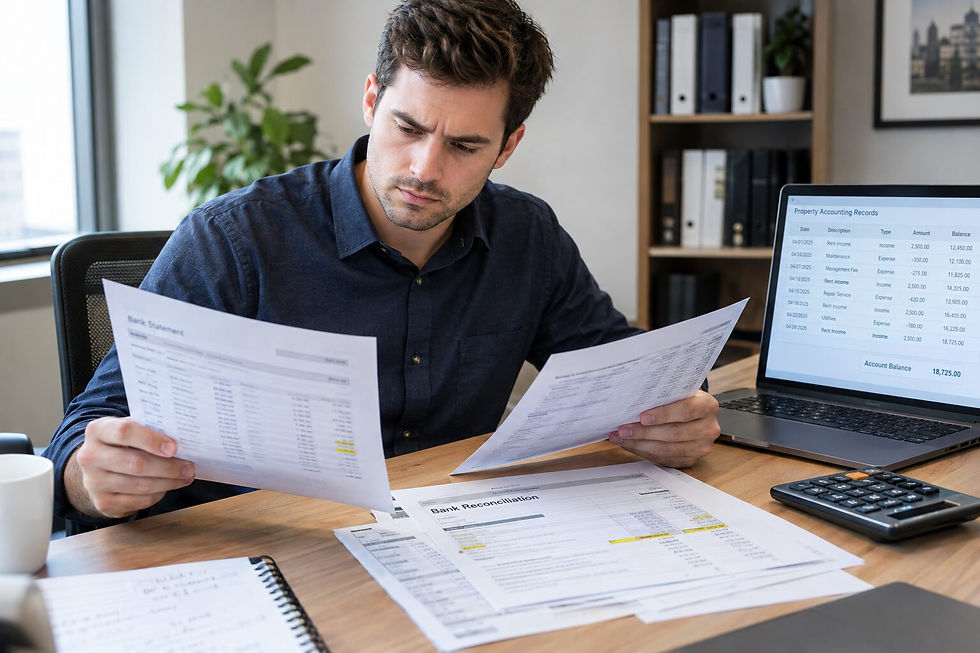
Bank reconciliation ensures that financial records match actual bank balances. DoorLoop accounting features allow property managers to compare transactions with bank statements to detect discrepancies early. Regular reconciliation prevents small errors from becoming larger financial issues.
Owner Statements and Financial Reporting
Owner reporting plays an important role in compliance and transparency. DoorLoop generates owner statements that summarize income, expenses, and distributions for each property. These reports help property managers communicate financial performance clearly and maintain professional accountability.
Audit Trails for Financial Transparency
An audit trail records changes made within the accounting system. DoorLoop maintains records of financial updates so managers can track who entered or modified data. This feature helps maintain transparency and supports compliance during internal reviews or regulatory audits.
Organized Expense Documentation
Expense tracking is another area where compliance matters. DoorLoop allows property managers to document vendor payments and categorize expenses properly. Organized expense records make it easier to prepare financial statements and demonstrate responsible financial management.
Financial compliance requires consistent attention to detail. While accounting tools provide structure, managers still need clear processes and regular reviews to maintain strong financial oversight.
Accurate compliance practices also support long term business stability. Property managers who maintain organized financial records are better prepared to respond to owner questions, tax reporting requirements, and financial audits.

Evaluating DoorLoop on Data Ownership and Portability
Property managers depend heavily on financial data. Tenant payments, vendor invoices, and owner statements all form part of a business's financial history. Because of this, managers must understand how their accounting software handles data ownership and portability.
DoorLoop allows property managers to maintain access to their financial records within the platform. Users can export reports and transaction data for further analysis or backup purposes. This flexibility is important because financial records often need to be shared with accountants, auditors, or property owners.
Data portability becomes especially important when businesses grow or change systems. Property managers may eventually migrate to a different platform or integrate with additional financial tools. Access to exportable financial data ensures that business records remain available during such transitions.
Another important consideration involves data transparency. Property managers must have confidence that their financial records remain accessible whenever needed. DoorLoop reporting features provide the ability to review historical transactions, which helps managers verify financial activity across multiple reporting periods.
Strong data control practices also protect property managers from operational disruptions. When financial data remains accessible and exportable, businesses can continue operating smoothly even when systems change.Reliable data ownership ensures that property managers remain in control of their financial records rather than relying entirely on a single software environment.
How Property Managers Use DoorLoop to Improve Financial Visibility
Financial visibility helps property managers understand how their business performs. When income and expenses remain clear, managers can make better financial decisions and avoid unpleasant surprises. DoorLoop accounting features help managers view financial performance through organized reports and dashboards.
Property managers often oversee multiple properties with different financial activities. Without proper reporting tools, tracking these numbers can become overwhelming. DoorLoop helps simplify financial visibility by organizing financial data in ways that are easy to review and analyze.
Clear financial insights help managers identify patterns in revenue and expenses. For example, recurring maintenance costs may signal that a property needs long term repairs. Likewise, late payment trends may highlight the need for improved rent collection procedures. When financial data is easy to read, property managers can respond quickly and adjust their strategy.
Financial visibility also supports better communication with property owners. Owners want clear answers when they ask about income, maintenance expenses, or owner distributions. With organized reports available through DoorLoop, property managers can respond confidently and maintain trust.
Better visibility leads to smarter financial planning. Managers who understand their financial position can allocate resources wisely and identify opportunities to improve property performance.

Best Practices for Managing Property Accounting Efficiently in DoorLoop
Even the most capable accounting software requires proper processes to work effectively. Property managers who follow structured accounting practices can maximize the benefits of DoorLoop accounting features while minimizing financial mistakes.
Schedule Regular Bank Reconciliation
Regular reconciliation keeps financial records accurate and up to date. Property managers should compare system records with bank statements frequently to confirm balances match. Consistent reconciliation helps catch errors early before they grow into larger financial problems.
Maintain Organized Expense Categories
Clear expense categories make financial reporting easier to understand. When expenses are grouped properly, managers can quickly identify where money is being spent. Organized expense tracking also helps when preparing financial reports for property owners.
Monitor AP and AR Activity
Accounts payable and accounts receivable play an important role in property accounting. Property managers should review outstanding payments and invoices regularly. Monitoring these balances helps maintain healthy cash flow and prevents overlooked payments.
Review Financial Reports Consistently
Regular report reviews help managers stay informed about property performance. Monthly financial reports reveal patterns that might otherwise go unnoticed. Reviewing reports consistently allows property managers to make timely financial decisions.
Maintain Accurate Owner Distribution Records
Owner distributions must be calculated carefully to maintain trust with investors. DoorLoop helps record income and expenses, but managers still need to verify calculations before releasing owner payments. Accurate owner distribution tracking protects relationships with property owners.
Integrate Professional Accounting Oversight
Software helps organize financial information, but experienced oversight adds another layer of protection. Many property managers work with professionals who understand real estate accounting rules. Combining technology with professional review reduces errors and improves financial reliability.
Following these best practices helps property managers maintain efficient accounting operations while using DoorLoop.
Why Property Managers Still Need Professional Accounting Support
Accounting software helps organize financial information, but software alone does not replace professional expertise. Property managers still face complex financial responsibilities that require careful attention and industry knowledge.
Trust accounting regulations, owner distribution calculations, and tax reporting all require accuracy. Even when using advanced software, mistakes can occur if financial records are not reviewed carefully. Professional accounting support ensures that financial records remain accurate and compliant with industry standards.
Many property managers choose to work with firms that specialize in accounting services for property managers. These professionals understand how to manage trust accounts, reconcile bank statements, and prepare accurate financial reports. Their experience helps property managers avoid common accounting mistakes.
Companies like WPM Accounting provide specialized support tailored to property management businesses. By combining technology with professional oversight, property managers gain greater confidence in their financial records. WPM Accounting works alongside software platforms to ensure transactions are recorded properly and reports remain reliable.
Property managers who use DoorLoop Accounting Services alongside professional accounting support often achieve the best results. Software provides the tools, while experienced accountants ensure those tools are used correctly. This combination helps property managers maintain accurate books, improve compliance, and reduce financial stress.
Reliable accounting practices allow property managers to focus on what matters most. Growing their portfolio, maintaining strong owner relationships, and managing properties efficiently.
Practical Takeaways for Property Managers Evaluating DoorLoop Accounting Features
Evaluating accounting software requires more than reviewing a feature list. Property managers must consider how well those features support daily financial responsibilities such as reporting, compliance, and data control.
DoorLoop accounting features provide useful tools for organizing financial data, generating reports, and improving visibility across multiple properties. These capabilities help managers streamline accounting workflows and maintain organized financial records.
However, software works best when combined with clear processes and professional guidance. Accurate reconciliation, detailed expense tracking, and reliable reporting still require careful attention. Property managers who combine software tools with expert accounting support create stronger financial systems that support long term growth.
When evaluating accounting solutions, property managers should focus on three key priorities: financial transparency, compliance readiness, and reliable reporting. When these areas are managed well, property managers can operate with confidence and maintain strong relationships with property owners.

Frequently Asked Questions (FAQs) About DoorLoop Accounting Features for Property Managers
What accounting and reporting features does DoorLoop provide for property managers?
DoorLoop offers financial reporting tools that track rent payments, expenses, and owner distributions. Property managers can generate reports that summarize financial activity for individual properties or entire portfolios. These reports help managers maintain organized records and communicate financial performance clearly with property owners.
How do property management accounting tools help maintain financial compliance?
Accounting tools help property managers document transactions, perform bank reconciliation, and generate financial reports. These features create clear financial records that support regulatory compliance and financial transparency. Organized accounting systems also help managers respond confidently during financial reviews or audits.
Does DoorLoop allow property managers to export and control their financial data?
DoorLoop provides options for exporting financial reports and transaction records. Property managers can access financial data when sharing information with accountants or preparing financial statements. Data portability ensures that businesses maintain control of their financial history even when systems evolve.
How can property managers improve financial visibility using DoorLoop reports?
Financial reports within DoorLoop allow managers to review income, expenses, and property performance in one place. Clear reporting helps identify trends such as rising maintenance costs or late rent payments. Better visibility allows property managers to make informed decisions about property operations and budgeting.
When should property managers consider outsourcing DoorLoop accounting support to experts?
Property managers often seek expert support when managing multiple properties or complex financial transactions. Professional accountants can assist with bank reconciliation, owner distributions, and compliance oversight. Outsourcing support to experts helps maintain accurate financial records and reduces the risk of accounting mistakes.


Comments